Professional Teeth Whitening Results: What to Expect From Your Treatment
A brighter smile should still look like your smile. The best professional teeth whitening results are noticeable, natural-looking, and appropriate for your individual teeth. Achieving that result requires more than simply choosing a strong whitening product—it starts with understanding your current tooth shade, oral health, existing dental restorations, the type of discoloration present, and your sensitivity level.
At Beverly Wilshire Dental Group, we approach teeth whitening as a personalized cosmetic dental treatment. Whether you are preparing for a wedding, job interview, reunion, special event, or simply want to reverse years of staining from coffee and red wine, a dental evaluation can help determine what type of whitening treatment is appropriate for you and what results you can realistically expect.
What Can Professional Teeth Whitening Results Change?
Professional teeth whitening is designed to lighten the natural color of your teeth by breaking down stains within the enamel and dentin. It is particularly effective for many common forms of discoloration caused by coffee, tea, red wine, tobacco, and other highly pigmented foods and beverages.
The amount of whitening you achieve depends on several factors, including your starting tooth shade and the type and severity of the discoloration.
In general, yellow or yellowish teeth often respond well to professional whitening. Gray, blue-gray, or brown discoloration can be more difficult to treat, particularly when it is associated with certain medications, dental trauma, aging, or changes within the tooth.
Whitening can still improve some of these stains, but the degree of improvement may vary.
It is also important to remember that the brightest possible shade is not necessarily the best result. A natural-looking tooth color that complements your facial features and existing dental work can provide a more attractive and balanced appearance than an artificially bright shade.
During your consultation, your dentist can evaluate your teeth, discuss your cosmetic goals, and help establish realistic expectations before treatment begins.
Why Choose Professional Teeth Whitening?
Over-the-counter whitening strips, gels, and whitening toothpastes can help reduce mild surface staining. However, these products are designed for general use and do not take your individual dental health or cosmetic goals into account.
Professional teeth whitening begins with an evaluation of your teeth and gums. Your dentist can identify dental conditions that may need attention before whitening, including:
- Tooth decay
- Gum inflammation or periodontal disease
- Cracked or damaged teeth
- Exposed tooth roots
- Enamel wear
- Existing tooth sensitivity
- Defective or leaking restorations
Addressing these concerns first can make whitening more comfortable and help produce a more predictable cosmetic result.
Professional treatment also provides greater control over the whitening process. Depending on your needs, your dentist may recommend in-office teeth whitening, custom take-home whitening trays, or a combination of both.
In-Office Teeth Whitening
In-office whitening is often a good option for patients who want a more immediate improvement in tooth color, particularly when preparing for an upcoming event.
During treatment, the teeth and surrounding soft tissues are carefully protected while professional-strength whitening material is applied under dental supervision. Depending on the individual, a noticeable improvement may be achieved during a single appointment, although some types of discoloration may require additional treatment.
One of the primary benefits of in-office whitening is professional monitoring. Your dentist can adjust treatment based on your tooth response and sensitivity.
Custom Take-Home Whitening Trays
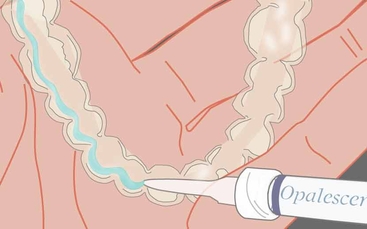
Custom take-home whitening trays provide a more gradual approach to professional teeth whitening. The trays are designed specifically for your teeth, allowing the whitening gel to remain in close contact with the tooth surfaces while minimizing unnecessary exposure to the gums.
Many patients appreciate the flexibility of take-home whitening because treatment can be incorporated into their routine. Your dentist can provide specific instructions regarding the appropriate whitening gel, wear time, and treatment schedule.
Custom trays may also be useful for maintaining your results with periodic touch-ups.
Which Whitening Treatment Is Right for You?
Neither in-office whitening nor take-home whitening is automatically the better choice for every patient.
The appropriate treatment depends on your:
- Current tooth shade
- Type of staining
- Dental and periodontal health
- Sensitivity level
- Existing restorations
- Desired degree of whitening
- Timeline for treatment
A dental consultation allows your dentist to recommend a whitening approach based on your individual needs rather than a one-size-fits-all product.
For patients who experience dental anxiety, professional guidance can also make the experience more comfortable. Knowing what to expect and having your treatment monitored can help reduce uncertainty throughout the whitening process.
Factors That Affect Teeth Whitening Results
Teeth whitening does not affect every tooth in exactly the same way. Several factors influence how much and how evenly your teeth respond.
Natural Tooth Color
Everyone's natural tooth color is different. As we age, enamel can gradually become thinner, allowing the naturally darker dentin underneath to become more visible. This can make teeth appear darker or more yellow over time.
Type and Age of the Stain
Surface stains from coffee, tea, red wine, tobacco, and certain foods may respond particularly well to professional whitening.
Deeper discoloration may be more challenging. Stains associated with trauma, certain medications, aging, or changes inside a tooth may require a different cosmetic or restorative approach.
Existing Dental Restorations
One of the most important considerations before whitening is whether you have visible dental restorations.
Crowns, veneers, bonding, tooth-colored fillings, bridges, and implants do not whiten in the same way as natural tooth enamel.
If you have a crown or veneer on a visible front tooth, whitening your natural teeth may create a difference in color between the restoration and surrounding teeth.
For this reason, if you are planning new cosmetic dental work, it is often beneficial to complete teeth whitening first. Your dentist can then select a restoration shade that complements your newly whitened natural teeth.
If you already have visible restorations, your dentist can discuss whether whitening is likely to produce the appearance you want.
Oral Hygiene and Lifestyle
The longevity of your whitening results also depends on your daily habits. Regular brushing, flossing, professional dental cleanings, and good oral hygiene can help maintain a brighter smile.
You do not necessarily have to eliminate coffee, tea, or other staining foods and beverages. Simple habits such as drinking water afterward, rinsing your mouth, and following your dentist's maintenance recommendations can help reduce the accumulation of new stains.
Does Professional Teeth Whitening Cause Sensitivity?
Temporary tooth sensitivity is the most common side effect associated with professional teeth whitening.
Some patients experience a brief "zing" when their teeth are exposed to cold air, water, or food. Others experience little or no sensitivity.
If you already have sensitive teeth, tell your dentist before beginning whitening treatment. Your dentist may recommend adjustments such as:
- A lower-concentration whitening gel
- Shorter treatment periods
- Longer intervals between applications
- Desensitizing products
- A modified whitening schedule
Mild gum irritation can also occur if whitening material comes into contact with the soft tissues. Properly fitted custom trays and professional instructions can help minimize this risk.
Teeth whitening should not be painful. If you develop significant or persistent tooth pain, substantial gum irritation, or sensitivity that does not improve after treatment, stop whitening and contact your dental office.
How to Maintain Your Teeth Whitening Results
Professional teeth whitening is not necessarily permanent. Over time, teeth can gradually accumulate new stains from foods, beverages, tobacco, and normal aging.
Immediately after whitening, it can be helpful to limit strongly pigmented foods and drinks for a short period according to your dentist's instructions. Water, milk, yogurt, rice, pasta with lighter sauces, and other lower-pigment foods may be easier choices during this period.
Long-term maintenance, however, is about consistency rather than perfection.
Coffee, tea, berries, sauces, and red wine are part of everyday life for many people. Maintaining good oral hygiene and following an individualized touch-up schedule can help you preserve your results without unnecessarily restricting your diet.
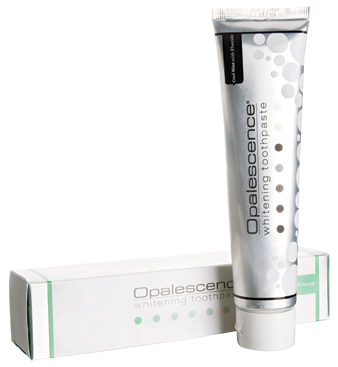
Be cautious about relying heavily on abrasive whitening toothpastes. Although some whitening toothpastes can remove surface stains, excessive abrasion may contribute to enamel wear or increased sensitivity. Your dentist can recommend an appropriate toothpaste based on your individual needs.
When Teeth Whitening May Not Be the Best First Step
Teeth whitening is a cosmetic dental treatment. It is not a substitute for treating active dental disease.
If you have untreated cavities, gum disease, cracked teeth, significant enamel wear, or other oral health concerns, these conditions should generally be addressed before cosmetic whitening.
Starting with a healthy foundation can make treatment more comfortable and help produce more predictable results.
A single darkened tooth also deserves special attention. If one tooth has become significantly darker than the teeth around it—particularly after an injury or root canal treatment—the cause should be evaluated before routine whitening.
Depending on the cause, options may include internal whitening, bonding, veneers, or a crown rather than conventional whitening of the entire smile.
If whitening does not provide the degree of improvement you are looking for, your dentist can also discuss alternative cosmetic treatments. For certain types of discoloration, porcelain veneers or other restorative procedures may provide a more predictable result. Your dentist can help determine whether these options are appropriate for your teeth and goals.
A Personalized Approach to Professional Teeth Whitening
At Beverly Wilshire Dental Group, professional teeth whitening begins with understanding what you want to change about your smile.
Rather than choosing a whitening treatment based solely on how strong or fast it is, we consider your dental health, existing restorations, natural tooth color, sensitivity, timeline, and cosmetic goals.
Our goal is to help you achieve a smile that looks brighter while still looking natural and appropriate for you.
A successful whitening result should not make your teeth look artificial. It should give you a healthier-looking, more polished smile that makes you feel confident when you smile.
If you are considering professional teeth whitening in Beverly Hills, a consultation can help you understand your options, the likely results, and the best approach for maintaining your brighter smile.